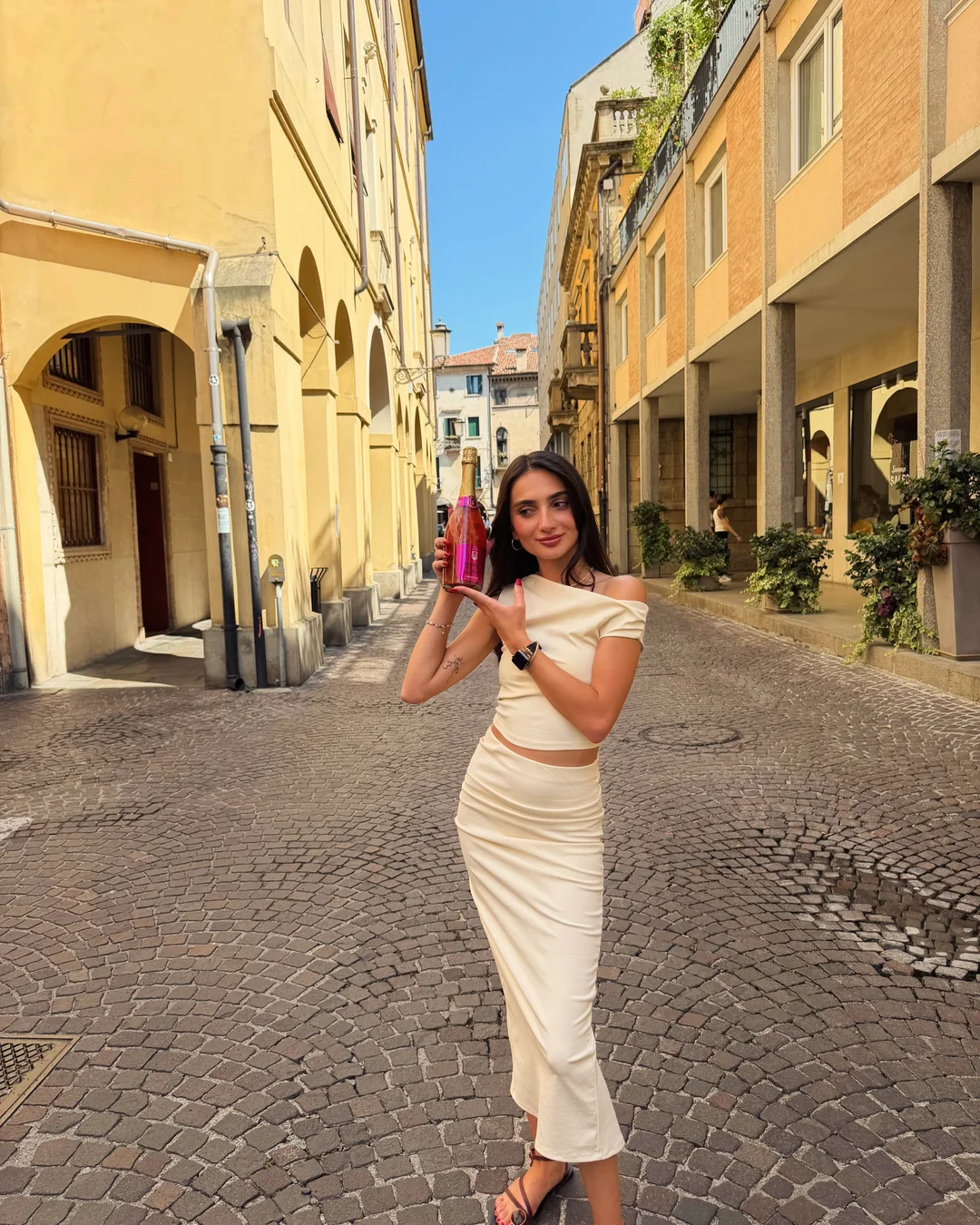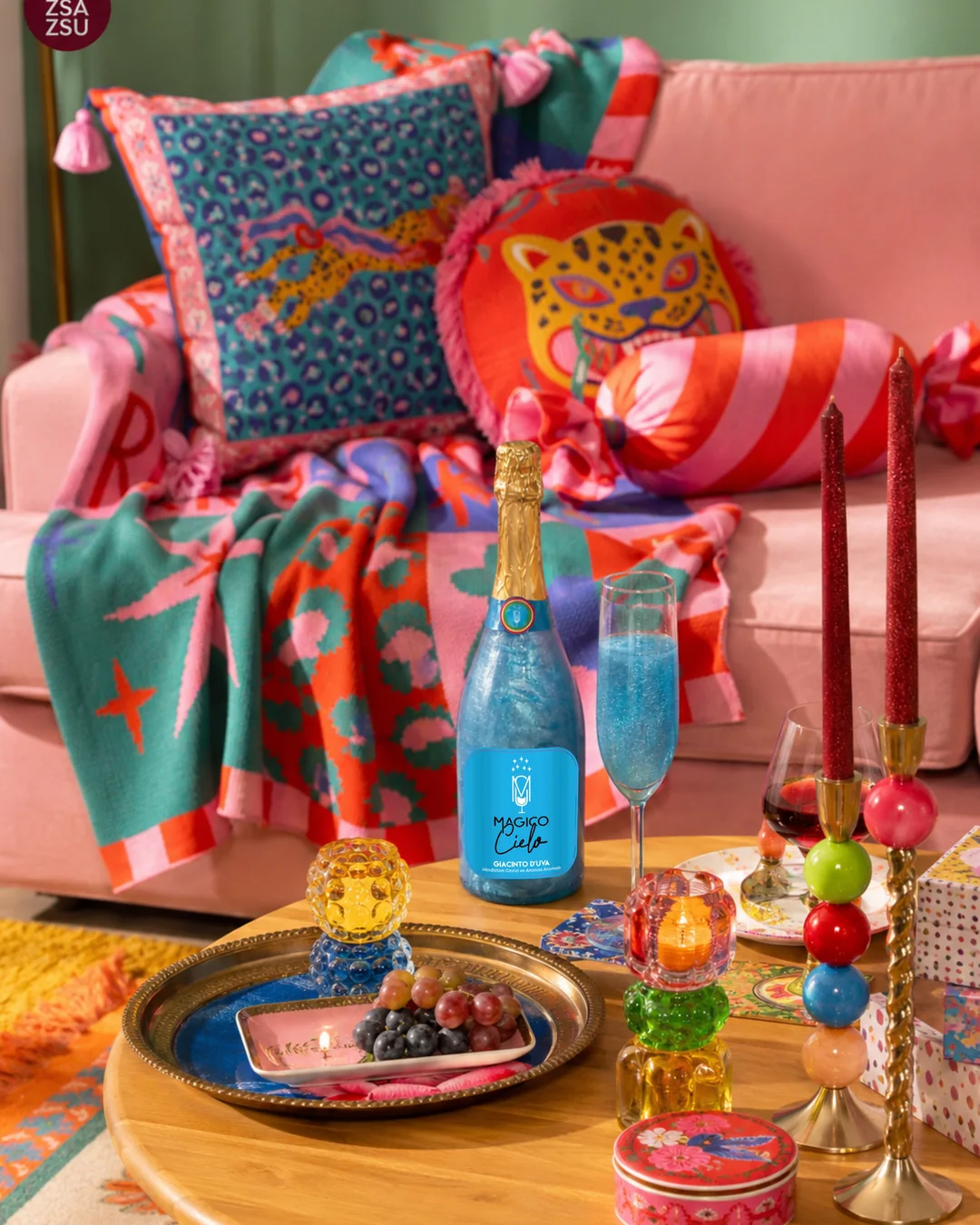

To drink tonic water on its own, you must treat it like a premium craft soda rather than a simple mixer. The secret lies in serving it at a temperature just above freezing, using a large-bowled glass to trap the aromas, and selecting garnishes that balance the natural bitterness of quinine. When you remove the spirit, the quality of the water and the source of the bitterness become the stars of the show. In Türkiye, where long summer evenings in Bodrum or İzmir demand refreshing options, a well-prepared tonic is a sophisticated, alcohol-free alternative to traditional sugary drinks. By choosing a high-quality option like Tonika, which uses natural mineral water and natural quinine, you elevate the experience from a basic beverage to a complex tasting ritual.
Why should you drink tonic water without alcohol?
Many people are surprised to find that tonic water was originally enjoyed for its medicinal properties and unique flavor long before it became a staple in bars. Modern tonic waters, particularly those like Tonika, are crafted with a natural mineral water base and sweetened with stevia, making them a crisp and light choice for health-conscious drinkers. The bitterness of quinine acts as a palate cleanser, making it an excellent accompaniment to a heavy meal or a refreshing break during a hot Aegean afternoon.
Drinking tonic solo allows you to appreciate the subtle flavor profiles that are often masked by heavy spirits. For instance, Tonika Japanese Cherry offers delicate floral notes that would be lost if mixed with a pungent gin. In the Turkish heat, the high carbonation and mineral content provide a more effective sense of hydration and refreshment than flat juices or overly sweet sodas. It is a drink for those who appreciate the 'bitter-sweet' spectrum of gastronomy.
Furthermore, choosing an alcohol-free tonic ritual is increasingly popular at high-end venues like the Mandarin Oriental Bodrum or Titanic Deluxe Bodrum. It allows guests to maintain the social ritual of holding a sophisticated glass without the effects of alcohol. Since all Magico products are 100% Halal certified, they fit perfectly into any social setting across the 81 provinces of Türkiye, from a casual beach club to a formal wedding at be Premium Bodrum.
How do you prepare the perfect glass of solo tonic?
The preparation of a solo tonic water starts with the glass. Forget the tall, thin highball; instead, reach for a 'Copa de Balon' or a large red wine glass. The wide bowl allows the carbonation to release the natural aromas of the quinine and any added fruit extracts. Before pouring, chill the glass in the freezer for ten minutes or swirl ice cubes inside until the glass frosts over, then discard the melted water.
Ice quality is the next critical factor. Use large, clear ice cubes rather than small, crushed pieces. Large cubes have less surface area, meaning they melt slower and won't dilute your Tonika as you sip. Fill the glass to the brim with ice before pouring the liquid. This ensures the drink stays consistently cold from the first sip to the last, which is essential because as tonic warms up, the bitterness can become unpleasantly sharp.
When pouring, tilt the glass at a 45-degree angle and pour the tonic water slowly down the side. This technique preserves the maximum amount of carbonation. If you are using a flavored variety like Tonika Mandarin, the bubbles will carry the scent of citrus oils directly to your nose. A gentle stir with a long spoon—just one single rotation—is all you need to integrate the flavors without killing the fizz.
Which garnishes work best for different tonic flavors?
Garnishing a solo tonic is not just for aesthetics; it is about adding layers of flavor. For a Tonika Original, a classic peel of lemon or lime is standard, but you can elevate it by adding a few slightly bruised cardamom pods or a sprig of fresh thyme. The herbal notes of the thyme contrast beautifully with the sharp quinine, creating a drink that feels like a forest walk in the hills of İzmir.
If you are drinking Tonika Mango, consider a garnish with a hint of heat. A thin slice of fresh red chili or a rim of Tajin spice can create a fascinating 'sweet-bitter-spicy' profile that is incredibly addictive. Alternatively, a few fresh mint leaves will highlight the tropical notes of the mango, making it feel like a non-alcoholic mojito with a more sophisticated, dry finish.
For Tonika Japanese Cherry, think floral and spice. A few pink peppercorns and a dried rose petal turn the drink into a visual masterpiece. The peppercorns provide a subtle, earthy heat that grounds the floral sweetness of the cherry. These garnishes are common sights at trendy spots like Sensation Beach Club or Vanilla Rococo, where the presentation is just as important as the taste.
- Original: Lime zest, cucumber ribbons, or cracked black pepper.
- Mandarin: A cinnamon stick, a star anise, or a slice of fresh ginger.
- Japanese Cherry: Fresh raspberries, rose petals, or pink peppercorns.
- Mango: A sprig of mint, a slice of jalapeño, or a wedge of fresh mango.
How to pair tonic water with Turkish cuisine?
The bitterness of tonic water makes it a world-class companion for food, especially the varied textures of Turkish meze. Because Tonika is sweetened with stevia, it doesn't leave a sugary film on the tongue, allowing the flavors of the food to shine through. Try serving Tonika Original alongside salty appetizers like Çeşme kumrusu or a plate of aged Kaşar cheese and green olives. The salt cuts through the bitterness, making the drink taste smoother.
For a seafood dinner in Bodrum, Tonika Mandarin is an inspired choice. The citrus notes complement grilled sea bass or calamari perfectly. In Aegean culture, where lemons and mandarins are central to the table, this pairing feels natural and local. The carbonation also helps to 'scrub' the palate between bites of rich, olive-oil-based dishes like Zeytinyağlı Enginar (artichoke).
If you are serving desserts at a henna night or a celebration, Tonika Japanese Cherry provides a lovely counterpoint to sweet treats like Turkish delight or baklava. The slight bitterness prevents the sugar from becoming overwhelming. You can find these pairings being explored in sophisticated venues like Şirince Mahzen AYOS or the Sapphire Club, where the demand for premium alcohol-free options is growing.
What is the science behind the 'tonic refresh'?
The refreshing quality of tonic water isn't just a feeling; it is chemistry. Quinine, the primary flavoring agent in tonic, triggers specific bitter receptors on the tongue that are linked to the body's cooling response. This is why a Tonika feels more thirst-quenching than a standard sweet soda. When combined with the natural minerals in the water base, it replenishes the body while providing a sensory 'reset'.
The use of natural mineral water in Tonika is significant. Unlike purified tap water used in many mass-market sodas, mineral water has a 'mouthfeel'—a certain weight and texture that makes the drink feel more substantial. This is why you can sip it slowly, much like a fine Elixir whisky-style drink, rather than gulping it down. It is a drink designed for slow evenings and long conversations.
Carbonation also plays a role in the perception of flavor. The bubbles in tonic are typically smaller and more persistent than in cola. These 'micro-bubbles' carry the aromatic oils of the mandarin or cherry extracts to the surface, ensuring that every sip begins with a burst of fragrance. This olfactory experience is a huge part of why drinking tonic on its own feels so much more 'grown-up' than drinking other soft drinks.
Can you use tonic water in alcohol-free mocktails?
Absolutely. Tonic water is the perfect 'lengthener' for other alcohol-free spirits. For example, you can combine a measure of Elixir Vanilla with Tonika Original to create a drink that has woody, vanilla depths balanced by a sharp, fizzy finish. This combination mimics the complexity of a high-end cocktail without any alcohol content, making it suitable for any event from a corporate launch in Ankara to a beach party in Çeşme.
Another popular method is the 'Tonic Espresso'. By pouring a shot of chilled espresso over a glass of Tonika Original with plenty of ice, you create a layered, caffeinated drink that is popular in the trendy cafes of İzmir and İstanbul. The acidity of the coffee and the bitterness of the tonic create a surprisingly harmonious and sophisticated flavor profile.
You can also experiment with fruit purees. A spoonful of strawberry or passionfruit puree at the bottom of the glass, topped with Tonika, creates a vibrant, layered effect. This is similar to the Sugar Rush Glow or Sunset Pop recipes used with Magico Cielo, but with the drier, more sophisticated edge that only a tonic can provide. It's a great way to use products found at Migros or CarrefourSA to impress guests at home.
| Tonika Variety | Primary Flavor | Best Garnish | Suggested Turkish Pairing |
|---|---|---|---|
| Original | Clean Quinine | Cucumber & Lime | Ezine Cheese & Olives |
| Mandarin | Citrus & Sweet | Cinnamon Stick | Bodrum Grilled Sea Bass |
| Japanese Cherry | Floral & Delicate | Pink Peppercorns | Pistachio Baklava |
| Mango | Tropical & Rich | Fresh Mint & Chili | Spicy Roasted Nuts |
Recipe
The Aegean Garden Tonic
Ingredients
- 200 ml Tonika Original (chilled)
- 2 thin slices of fresh cucumber
- 1 sprig of fresh rosemary
- 3-4 dried juniper berries (optional, for aroma)
- Large clear ice cubes
- A strip of lemon zest
Method
- Chill a large balloon glass in the freezer for 5-10 minutes.
- Fill the chilled glass to the top with large ice cubes.
- Place the cucumber slices against the inside of the glass so they are held in place by the ice.
- Slowly pour the Tonika Original over the ice, tilting the glass to preserve the bubbles.
- Gently slap the rosemary sprig against your hand to release the oils, then tuck it into the side of the glass.
- Twist the lemon zest over the top of the drink to express the oils, then drop it in.
- Add the juniper berries on top and serve immediately with a glass straw.
Try it with
 Tonika→
Questions people ask
Is it okay to drink tonic water every day?
Yes, especially when choosing a version like Tonika which is sweetened with stevia and uses natural mineral water. It is a much lighter alternative to traditional sodas and is 100% alcohol-free and Halal certified.
Why does tonic water taste different on its own?
Without gin to mask it, you notice the complex balance of the quinine's bitterness and the natural fruit aromas. Using a premium tonic like Tonika ensures these flavors are crisp and clean rather than medicinal.
Should I add sugar to my tonic water?
It is not recommended. Tonika is already perfectly balanced with stevia; adding sugar can ruin the carbonation and overwhelm the delicate notes of mandarin or Japanese cherry.
Where can I buy Tonika in Türkiye?
You can find Tonika and other Magico products at major retailers like Migros, CarrefourSA, and Macrocenter, as well as at over 5,000 points of sale across all 81 provinces.
More guides